
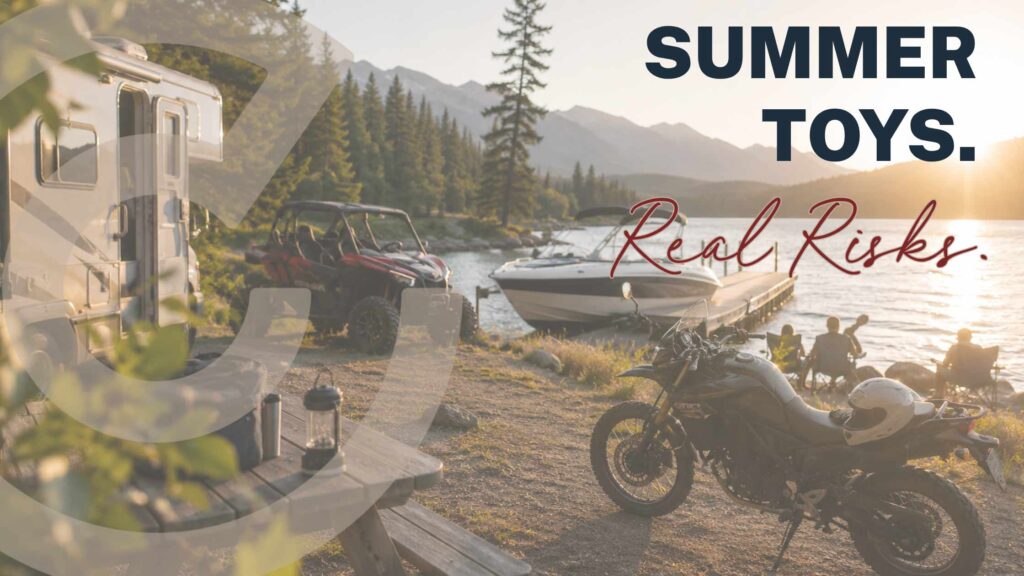
Colorado summers are made for adventure. From weekends at the lake to mountain trails, road trips, and campground getaways, many Colorado families invest in “summer toys” that help them enjoy everything the season has to offer.
But whether it’s a boat, RV, ATV, motorcycle, jet ski, or side-by-side, these recreational vehicles also come with unique insurance considerations that are often overlooked.
Many owners assume their homeowners or auto insurance policy automatically covers everything. Coverage gaps can exist, and they can become expensive quickly after an accident, theft, or liability claim.
Here’s what Colorado owners should know about protecting their summer toys before peak season begins.
Do You Need Separate Insurance for Boats, RVs, and ATVs?
In many cases, yes.
While some homeowners policies may provide limited coverage for certain recreational vehicles, that protection is often restricted and may not fully cover:
- Physical damage
- Theft
- Liability
- Injuries
- Trailer damage
- Off-property incidents
Coverage varies by carrier and policy, which is why it’s important to review each vehicle individually.
What Types of Summer Toys Typically Need Insurance?
Common recreational vehicles that may require separate insurance include:
In Colorado, many owners use these vehicles year-round or travel across state lines, making proper coverage even more important.
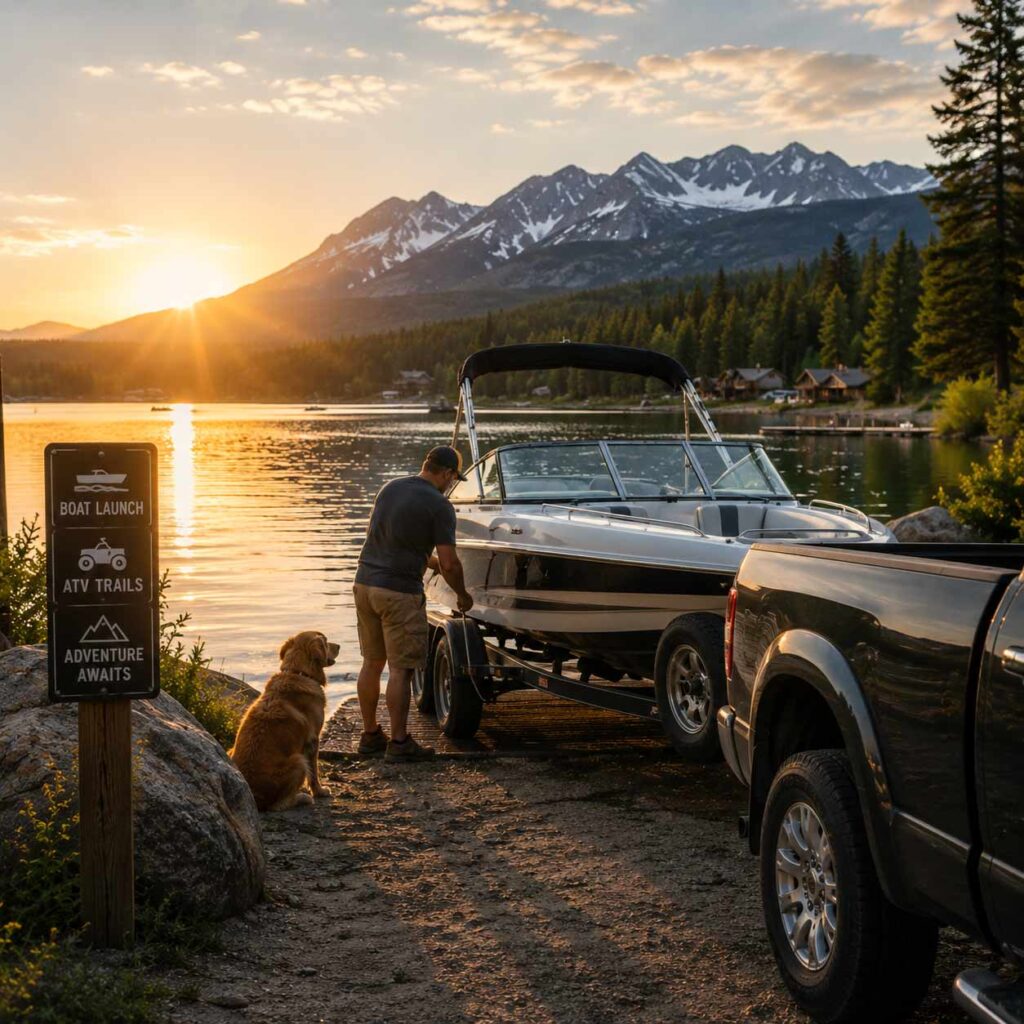
What Does Boat Insurance Typically Cover?
Boat insurance can help protect against a range of risks, including:
- Collision damage
- Theft or vandalism
- Liability from accidents or injuries
- Damage caused while towing
- Fuel spill liability
- Uninsured boater situations
Do Colorado boat owners need insurance?
Colorado does not universally require boat insurance by law, but marinas, lenders, and storage facilities may require proof of coverage.
Even when not required, liability protection is worth reviewing carefully, especially during busy summer boating months.
What Should RV Owners Know About Insurance?
RV insurance can function differently than standard auto insurance because many RVs serve as both:
- Vehicles
- Temporary residences
Depending on how the RV is used, coverage considerations may include:
- Personal belongings
- Vacation liability
- Attached accessories
- Emergency expense coverage
- Full-time RV coverage
Does auto insurance cover RVs?
Typically, motorhomes require their own policy. Travel trailers may have some limited protection through auto or homeowners policies, but coverage is often incomplete.
Are ATVs and Side-by-Sides Covered by Homeowners Insurance?
This is one of the most common misconceptions we see.
Some homeowners policies may provide limited coverage under very specific circumstances, but many exclude:
- Off-property accidents
- Liability while riding
- Physical damage
- Business or rental use
Because ATVs and UTVs are frequently used on trails, public land, or away from home, standalone coverage is often important.
What Are the Biggest Risks for Recreational Vehicle Owners?
1. Liability Claims
Accidents involving passengers, other riders, swimmers, or pedestrians can create significant liability exposure.
2. Theft
Summer toys are common targets for theft, especially when stored outdoors, at campgrounds, or in seasonal storage lots.
3. Underinsured Equipment
Many owners invest heavily in:
- Customizations
- Electronics
- Trailers
- Accessories
- Lift kits or upgrades
Those additions may not automatically be covered.
4. Coverage Gaps During Travel
Traveling across state lines, storing vehicles seasonally, or loaning equipment to others can all impact coverage.
How Much Insurance Do You Need for Boats, RVs, and ATVs?
The right coverage depends on:
- Vehicle value
- Usage frequency
- Financing requirements
- Storage location
- Passenger exposure
- Umbrella liability considerations
Higher-value recreational vehicles may benefit from broader protection options, including agreed value coverage or increased liability limits.
Should You Bundle Recreational Vehicle Insurance?
In some cases, bundling multiple policies together may:
- Simplify management
- Improve coordination of coverage
- Create premium savings opportunities
However, pricing and coverage vary significantly between carriers, especially for specialty recreational vehicles.
The goal should not just be finding the lowest premium. It should be understanding how coverage works when a claim happens.
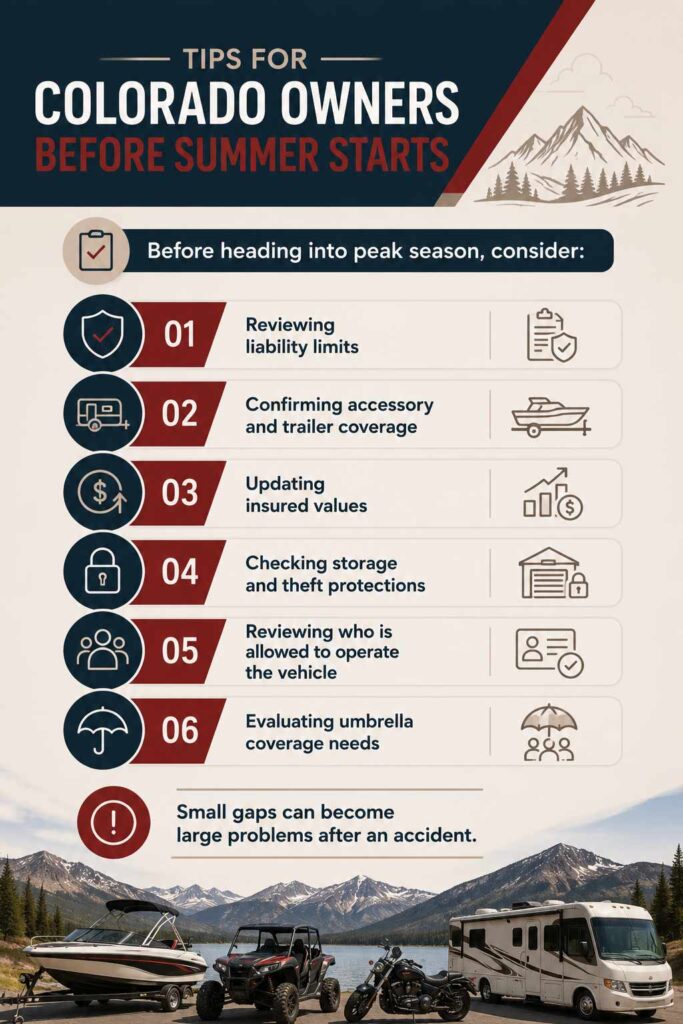
Tips for Colorado Owners Before Summer Starts
Before heading into peak season, consider:
- Reviewing liability limits
- Confirming accessory and trailer coverage
- Updating insured values
- Checking storage and theft protections
- Reviewing who is allowed to operate the vehicle
- Evaluating umbrella coverage needs
Small gaps can become large problems after an accident.
Final Thoughts
Your summer toys are meant to help you enjoy Colorado, not create unexpected financial risk.
A proactive insurance review can help ensure your boats, RVs, motorcycles, ATVs, and other recreational vehicles are properly protected before the season gets busy.
At Conexus, we help clients understand how their coverage works together so there are fewer surprises when it matters most.
Ready for a Coverage Review?
If you’d like to review your recreational vehicle insurance before summer gets underway, our team is here to help.