
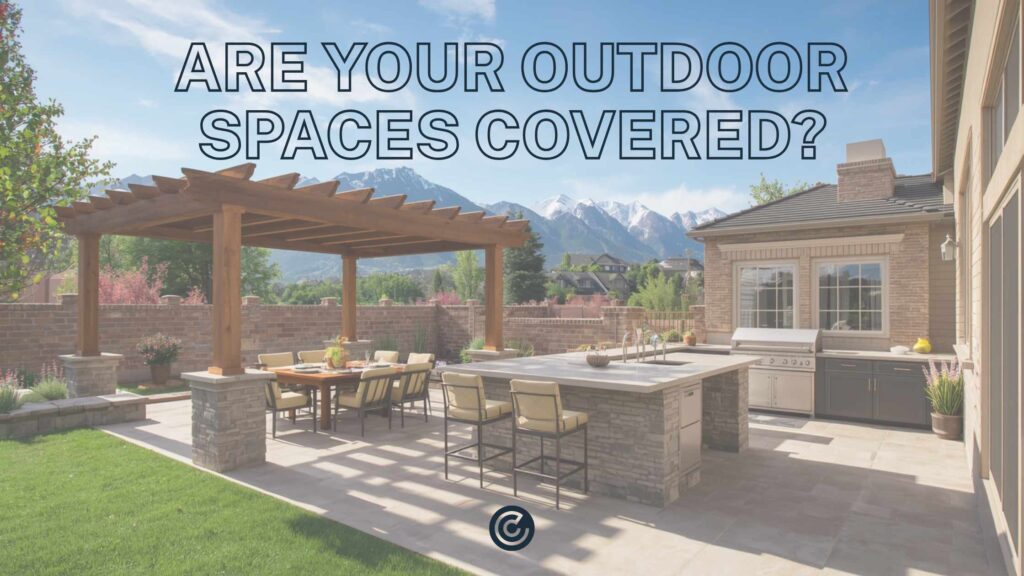
What Colorado Homeowners Should Know About Patios, Pergolas, Retaining Walls & More
Outdoor living spaces have become a major investment for many Colorado homeowners.
From patios and pergolas to retaining walls, outdoor kitchens, pools, and custom landscaping, homeowners are spending more money than ever improving their outdoor spaces.
But one question many homeowners don’t ask until after damage occurs is:
“Does my homeowners insurance actually cover this?”
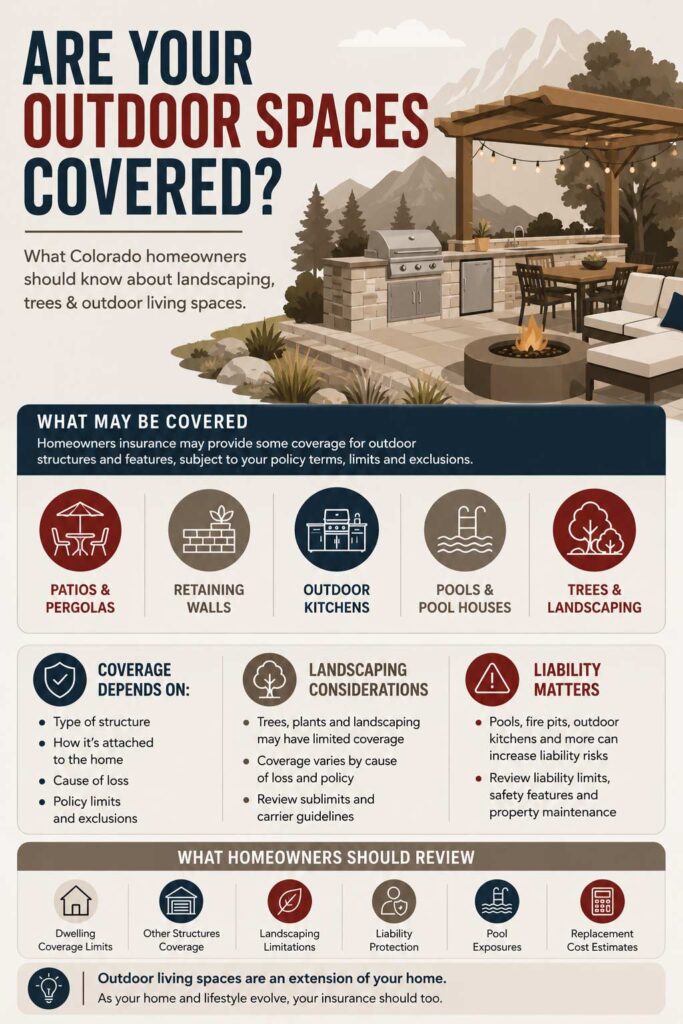
At Conexus Insurance, we regularly help homeowners review coverage for outdoor structures and landscaping because many people are surprised to learn there can be limitations depending on:
- The type of structure
- How it’s attached to the home
- The cause of loss
- Policy limits and exclusions
Are Outdoor Structures Covered by Homeowners Insurance?
In many cases, homeowners insurance may provide some coverage for outdoor structures such as:
- Patios
- Pergolas
- Gazebos
- Fences
- Retaining walls
- Outdoor kitchens
- Pool houses
- Detached structures
Coverage treatment often depends on whether the structure is attached to the home or considered a separate structure under the policy.
Because outdoor living spaces have become more elaborate and expensive, homeowners may want to review whether their current coverage limits still reflect today’s replacement costs.
What About Trees, Landscaping & Plants?
Many homeowners are surprised to learn that trees, shrubs, plants, and landscaping may have limited coverage under a homeowners policy.
Coverage may vary depending on:
- The cause of loss
- Policy sublimits
- Carrier guidelines
This can be especially important in Colorado where homeowners may invest heavily in:
- Mature trees
- Irrigation systems
- Decorative stonework
- Outdoor lighting
- Slope stabilization and retaining walls
Pools & Outdoor Living Spaces Can Increase Liability Risks
Features, such as the following, may also increase liability exposure.
- Pools
- Hot tubs
- Fire pits
- Outdoor kitchens
- Trampolines
Homeowners may want to review:
- Personal liability limits
- Umbrella insurance options
- Safety features
- Property maintenance concerns
Construction Costs Have Increased
Outdoor living projects today often include custom materials, electrical work, plumbing, built-in appliances, and landscaping upgrades.
Because labor and material costs have increased significantly in recent years, some homeowners may unintentionally be underinsured after completing backyard renovations or upgrades.
What Homeowners Should Review
Homeowners with significant outdoor improvements may want to review:
- Dwelling coverage limits
- Other structures coverage
- Landscaping limitations
- Liability protection
- Pool exposures
- Replacement cost estimates
This is especially important after major renovations or backyard upgrades.
Outdoor Living Spaces Have Changed Modern Homes
Today’s backyards often function as extensions of the home itself. As homes evolve, insurance reviews should evolve too.
At Conexus Insurance, we help Colorado homeowners review changing property exposures, outdoor living investments, and potential coverage gaps as homes continue to change over time.
Frequently Asked Questions
Does homeowners insurance cover patios and pergolas?
In many cases, homeowners insurance may provide some coverage for patios, pergolas, and similar outdoor structures, subject to policy terms and limits.
Are retaining walls covered by homeowners insurance?
Possibly. Coverage can depend on the cause of damage, policy language, and carrier guidelines.
Does homeowners insurance cover landscaping?
Some policies may provide limited coverage for trees, shrubs, plants, and landscaping for certain covered causes of loss.
Are outdoor kitchens covered by homeowners insurance?
Outdoor kitchens may potentially be covered depending on how they are constructed and classified under the policy.
Disclaimer
This article is intended for general informational purposes only and should not be interpreted as legal or insurance coverage advice. Coverage depends on policy language, carrier underwriting guidelines, endorsements, exclusions, property conditions, and the facts of a specific claim. Homeowners should consult with a licensed insurance professional regarding their specific situation and coverage needs.